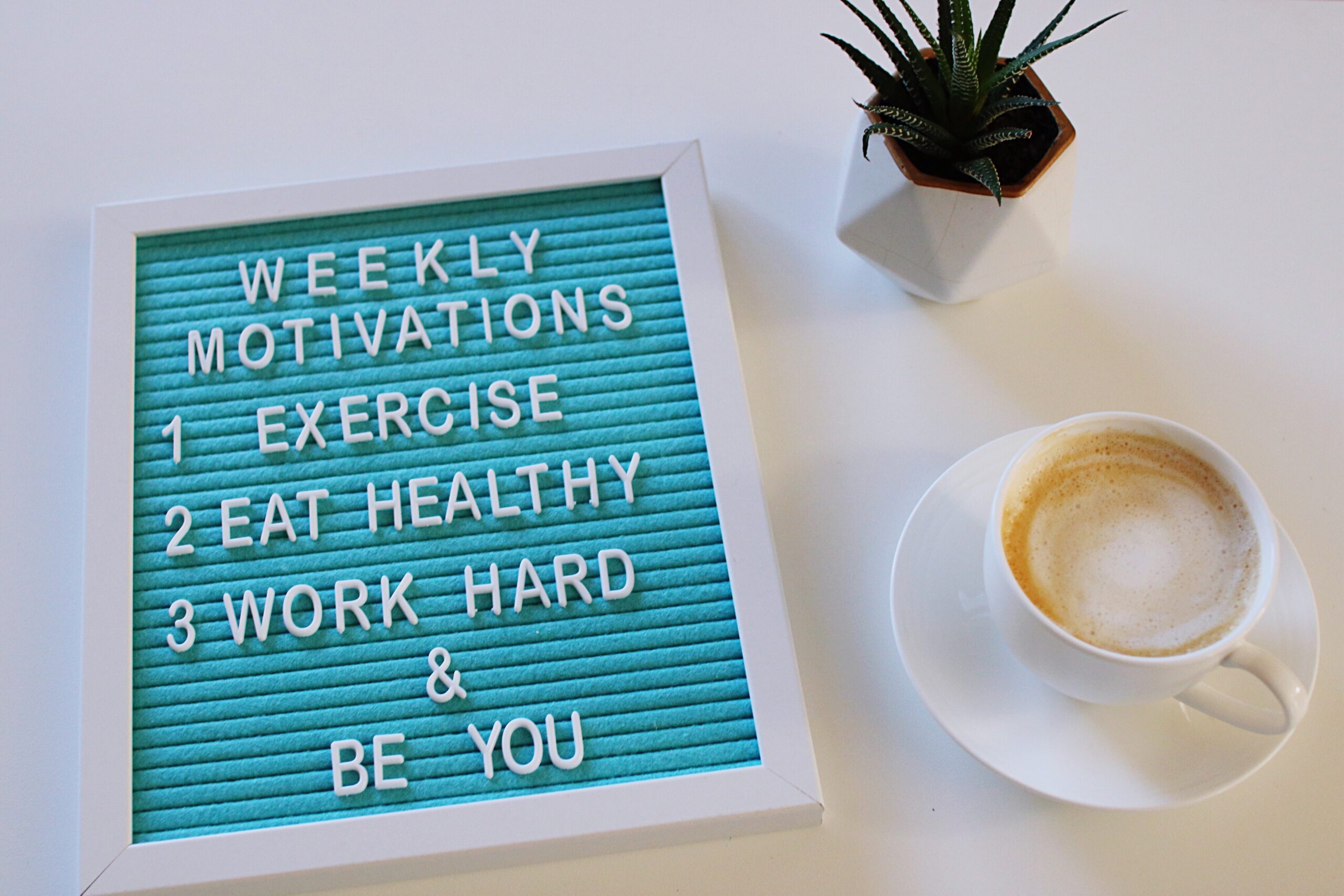
When you have had a difficult week, it can feel like even your simplest routines are completely out of reach. If you are searching for how to recover from burnout or rebuild your habits after a setback, the philosophy of 1% better every day offers a proven, low-pressure path forward. Instead of attempting a massive life overhaul that often leads to further exhaustion, this approach helps you move forward by finding one small, manageable action you can sustain. By consistently aiming to be 1% better every day, you turn a period of stagnation into a sustainable practice of growth.
Committing to being 1% better every day is the most effective way to get back on track because it removes the overwhelming pressure to fix everything at once. You do not need a perfect reset button; you need a tiny, repeatable habit that works even when your energy levels are low. Here is how to regain your momentum without making the process more complicated than it needs to be.

## Key Takeaways
- Focus on marginal gains: Rather than attempting a total life overhaul, commit to becoming 1% better every day. Embracing marginal gains through small, consistent improvements is more sustainable and mathematically leads to massive results over time.
- Lower the pressure: A rough week is a disruption, not a failure. When resetting, avoid overcompensating with unrealistic goals; instead, focus on incremental progress by simplifying your routine to focus on the smallest, most repeatable actions.
- Protect your energy first: Before chasing output, prioritize sleep, nutrition, and boundaries. A burnout-prone brain requires fewer demands rather than a stricter, high-pressure spreadsheet.
- Use the 1-3-1 rule: Start your reset by clearing one source of noise, committing to only three non-negotiable tasks, and beginning with one small, useful action before noon to regain momentum.
Why a rough week knocks your routine off track
A bad week does not wreck your routine because you suddenly became lazy. It usually happens because work demands intensified, your mental energy depleted, and every minor decision started to feel expensive. This cycle of burnout and tiny losses often leaves you feeling overwhelmed and stuck as one small setback leads to the next.
When sleep quality declines, nutrition choices suffer, and meetings pile up, your motivation drops rapidly. Decision fatigue takes over, causing you to neglect the simple habits that normally keep your life steady. Because you feel behind, you might be tempted to overcompensate to make up for lost time. However, remember that your trajectory vs position is a vital distinction. Your long term direction is far more important than your current status, and one rough week does not define your progress or derail your ultimate goals.
That is where people make Monday miserable. They plan a perfect comeback week, stack ten difficult goals on top of a tired brain, and wonder why they stall by Tuesday.
A rough week is merely a disruption, not proof that you are incapable. Resetting works better when you stop treating yourself like a problem to fix.
Reset means lowering pressure, not adding more.
What 1% better looks like when you’re starting over
When you are worn down, one percent better means choosing the smallest improvement you can repeat tomorrow. This is the foundation of atomic habits, a concept popularized by James Clear, which suggests that tiny, consistent shifts lead to extraordinary results. Mathematically, if you manage to get just 1% better every day for a year, you will end up 37 times better by the time you reach the finish line. Focus on the most repeatable move rather than the most impressive one.
That could mean a consistent wake time, a real lunch, one focused work block, or going to bed before the second episode. The point is stability rather than drama.
1% better every day vs. all-or-nothing thinking
All-or-nothing thinking suggests you need to fix everything at once. Embracing incremental progress and marginal gains, however, tells you to simply do the next useful thing.
So, instead of a full workout, take a 10-minute walk. Instead of reorganizing the whole office, clear your desk. Instead of a total life reboot, commit to going to bed 30 minutes earlier tonight. Busy professionals are often prone to overcorrecting, which is frequently the core of the problem. While catch-up mode feels productive, it only piles unnecessary pressure onto a week that is already heavy.
Starting over means protecting energy first
If you are starting over, you must prioritize protecting your energy before you chase output. A brain running on fumes does not need a stricter spreadsheet; it needs fewer demands. Stabilizing your daily habits is the essential first step toward reclaiming your energy and capacity.
Start with a fixed sleep window, ideally 7 to 9 hours, and keep your wake time steady even on weekends. If your nights are rough, a cooler bedroom, a white noise machine, or orange light glasses can help take the edge off late screen time. The bigger point is simple: sleep, food, and boundaries must come first. These small changes and focus on daily habits act as the cornerstone for long-term self-improvement, providing a foundation that is intentionally boring, which is exactly why it works.
The first 24 hours of a reset plan
The first day back is not for rebuilding your entire life. It is for damage control. Clear one thing, choose three things, and start one thing to regain your footing.
Picture a project manager coming off a chaotic week. Slack is full, the laundry basket is overflowing, and the calendar is packed. The fix is not a color coded master plan. It is one clean surface, three basics, and one small action taken before noon.
Start by clearing the noise
Pick one mess that is stealing your attention and reduce it. Tidy one corner of the kitchen, empty one inbox folder, close the app you keep checking every six minutes, or cancel one non urgent commitment.
You are not trying to become perfectly organized in an hour. You are simply removing friction so your brain can focus on what matters. Focusing on these small wins during the first 24 hours provides the psychological relief needed to move forward.
Use three non-negotiables only
Three tasks beat ten when you are tired. Choose three basics for the next seven days and let the rest remain optional. Keeping the bar low is essential for effective habit formation, as it prevents the overwhelm that often leads to burnout.
A good short list might include sleeping before 11 p.m., eating one real lunch, and completing one focused work block. You could also choose a 10 minute walk, one load of laundry, and no work email after 8 p.m. If you want something simple for the weekend, this Sunday reset checklist helps keep the upcoming week from starting in chaos.
Begin with the smallest useful action
Momentum starts with beginning, not with feeling ready. Open the file, write one sentence, or send one message. Start a 10 minute timer and see what moves.
When you prioritize consistency over intensity, restarting your engine becomes much easier. If work feels sticky, use a tiny script: open the document, write one ugly line, and send one update. That is enough to get the gears turning again. This same rule works at home, whether you are tackling one load of laundry, clearing one sink of dishes, or taking one short walk around the block. Small actions lead to steady progress, helping you build the momentum required to get back on track.
A 7-day routine that fits real life
A weekly reset should be a strategy for continuous improvement rather than a second job. It needs to fit seamlessly between meetings, commutes, deadlines, and the random chaos that fills your calendar.
Instead of building elaborate routines, focus on anchor points. Use your morning to set the direction, your midday to prevent a total slide, and your evening to make the next day lighter.
Morning habits that don’t take over the day
Keep your mornings brief and manageable. Wake up, drink some water, move your body for five minutes, and identify your top priority before your inbox starts pulling you in different directions.
That final step is essential. Even five minutes without checking email can prevent your day from getting hijacked. On rough mornings, a simple paper notebook or a notes app is enough to organize your thoughts. If you want more ideas for daily habits for a calmer life, keep them small enough to sustain even after a poor night of sleep.
Midday habits that stop the slide
Midday is often where a difficult week goes off the rails. It is common to skip lunch, continue answering messages, and promise yourself you will catch up later.
Avoid that cycle by committing to a small consistent effort. Step away from your desk for 10 minutes and eat a meal with actual protein. Recheck your top three priorities to ensure your energy is directed correctly. If your focus is scattered, try a single 25-minute focus sprint, followed by a five-minute break. A 30-second stretch every half hour also does more to stabilize your productivity than most people realize.
Evening habits that make tomorrow easier
Your evenings should provide genuine relief. Set a firm stop time for work, prepare one essential item for the next morning, and move your phone away from the bed.
Review your progress at the end of each day. Determine what moved forward and what can wait for later. If your mind keeps spinning, write tomorrow’s primary task on paper so you are not carrying the mental load into the night. Tools like a Time Timer or a sound machine can be helpful, but the consistency of your nightly routine matters far more than the specific gear you use.
What gets in the way, and how to handle it
The usual blockers are predictable: no time, guilt, no motivation, or the fear of falling behind. None of those are fixed by making your reset harsher.
A reset should create breathing room. If it feels like punishment, it is too much.
When you only have five minutes
Five minutes still counts. Clear one surface, write three priorities, walk the hallway, refill your water bottle, or put tomorrow’s clothes out.
Small wins are not fake wins. They are how consistency gets rebuilt when life is crowded. By focusing on these micro-tasks, you are actively building identity-based habits that turn your recovery into a tool for long-term growth.
When you feel too far behind
The week is not ruined because you missed Wednesday or Thursday. Missed days are information, not a verdict.
If you have ever read people asking how to make a comeback from burnout, you know this feeling is common. Shame tells you to replay the whole week and focus on what you lost. A better move is to measure backward to see how far you have actually come, rather than fixating on an ideal future you have not reached yet. Make one clean decision right now to regain your momentum.
How to track progress simply
When you are starting over, it helps to see proof of your effort. You do not need a complex system. Use a simple habit tracker or a journal to log one small win each day. This gives you a clear way to track progress, proving to yourself that even on your worst days, you are still moving forward.
When motivation is nowhere to be found
Motivation usually shows up after action, not before it. That is annoying, but it is useful.
So lower the bar. Put on your shoes, open the laptop, or start a 10-minute timer. Once you are moving, your brain has less room to argue. Remember that these small, consistent actions are the foundation of your future success. If your energy stays flat for weeks, or dread follows you into every morning, talk to a therapist or doctor. Some rough weeks are bigger than a habit problem.
FAQs about resetting after a rough week
How do I get back on track after a rough week?
Start smaller than you think is necessary. Clear one source of stress, pick three non-negotiables, and finish one useful task today. That is enough to break the stall and regain your momentum.
What does getting 1% better each day mean when you’re burned out?
It means applying the 1 percent rule by choosing tiny actions you can repeat even when you feel tired. A fixed wake time, one proper meal, or a short walk counts toward your progress. The win is repeatability, as these small improvements add up significantly over time.
Should I reset my whole routine or just one habit?
Focusing on one habit is usually more effective. Add one boundary if you need it, such as no email after work. A full list of changes often looks good on paper, but it frequently falls apart when life gets busy.
What’s the best weekly reset routine for busy professionals?
Use a short morning start, a midday check-in, and an evening shutdown. Remember that a successful weekly reset, which focuses on continuous improvement, is the aggregation of marginal gains. Keep the routine light enough that you can complete it on your worst weekday rather than just your best one.
How do I stay consistent when I keep slipping?
Expect some slipping as part of the process. Review the week, notice what made the habit harder, and shrink the task until it feels easy again. Consistency comes from restarting faster rather than never missing a day, because doing nothing leads to the exponential decay of your progress.
The next small move in your reset
Forget the fantasy version of next week. You do not need the perfect planner, the perfect mood, or the perfect Monday. Instead, focus on the power of tiny gains to build momentum. Even when you are starting over, these small, intentional adjustments create the compound growth necessary for long-term growth.
Pick one habit to restart today. Then, pick one thing to drop for the rest of the week. Maybe that means a 10-minute walk and fewer after-hours emails. Maybe it means lunch away from your screen and no late-night catch-up sessions.
The cleanest reset is usually the lightest one. By prioritizing these minor improvements, you set the stage for sustainable progress that carries you well beyond a difficult week.
Conclusion
A rough week does not erase your progress, as it only interrupts it. If you are wondering how to reclaim your momentum, the answer is always found in the smallest, most consistent actions. You do not need to overhaul your entire lifestyle overnight; you just need to begin with one tiny shift.
The reason it pays to become 1% better every day is simple. This approach cuts unnecessary pressure and helps you rebuild momentum through small, repeatable wins. Ultimately, your ability to bounce back is a better indicator of success than maintaining a perfect streak. Remember that your resilience is the real goal, and lost days matter far less than the next useful choice you make. When you commit to being 1% better every day, you shift your focus from past mistakes to future growth. Start there, and let that be enough for now.
This post may contain affiliate links. If you make a purchase through these links, I may earn a small commission at no extra cost to you.
Related posts:
 How to Craft a Morning Routine for a Calm and Productive Day :2025
Sunday Reset Checklist: A Simple Plan for Ultimate Productivity 2026 guide
10 Good Habits for 2026: Simple Daily Routines
Best Time Management Books: Boost Focus and Avoid Burnout
7 Habits of Successful Teens: The Micro-Wins Way to Real Growth
6-Month One Main Goal Routine That Reset My Money and Mind
How to Craft a Morning Routine for a Calm and Productive Day :2025
Sunday Reset Checklist: A Simple Plan for Ultimate Productivity 2026 guide
10 Good Habits for 2026: Simple Daily Routines
Best Time Management Books: Boost Focus and Avoid Burnout
7 Habits of Successful Teens: The Micro-Wins Way to Real Growth
6-Month One Main Goal Routine That Reset My Money and Mind